On Portraiture and Presence
An artist's statement on what it means to truly see a subject — and to be seen in return.
An artist's statement on what it means to truly see a subject — and to be seen in return.
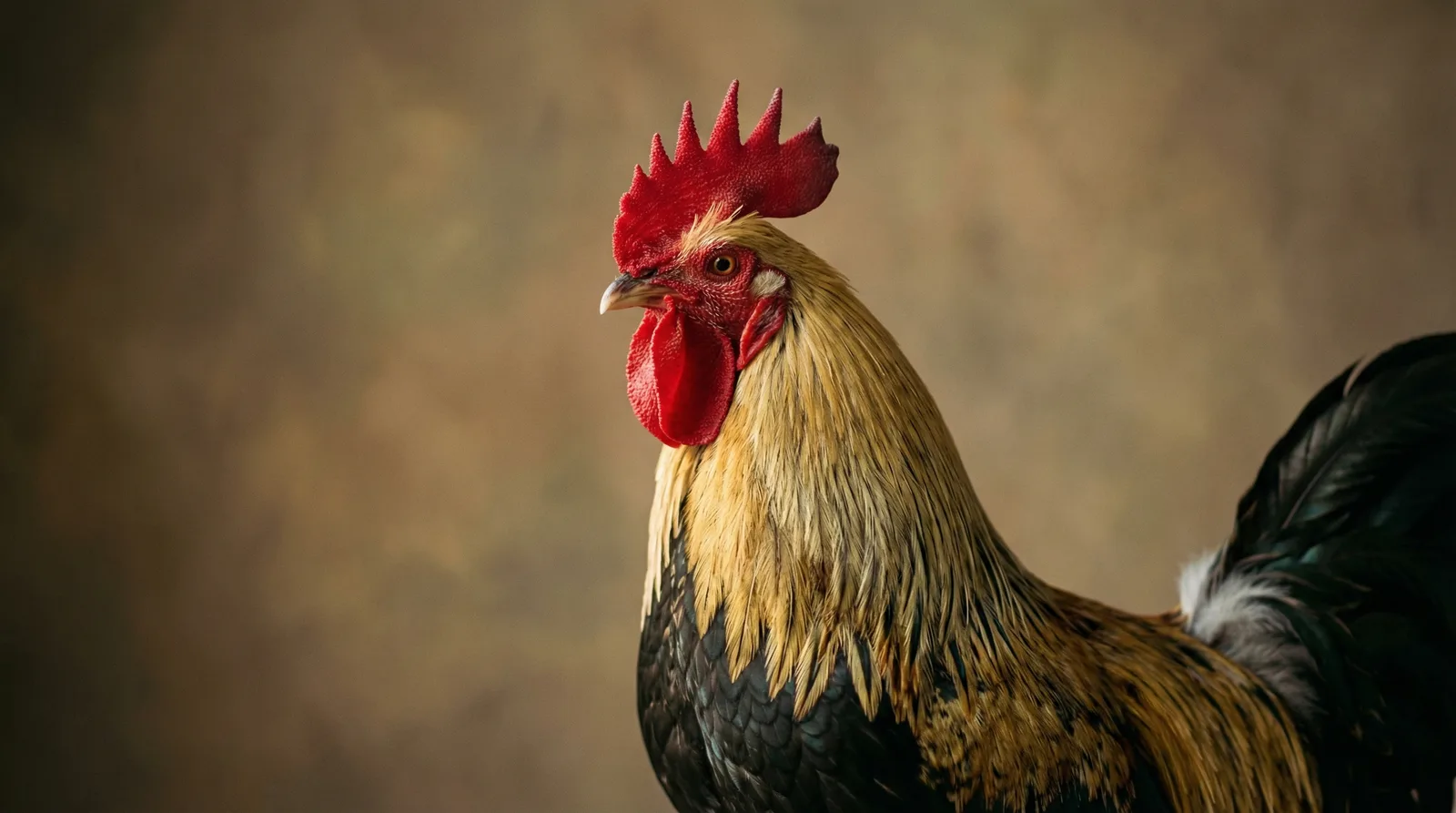
A rooster photographed in three-quarter profile, natural window light
There is a moment in every sitting — usually somewhere between the third and fourth hour — when the subject forgets the camera exists. The posture shifts. The eyes settle. What remains is not performance but presence, and that is the only thing worth capturing.
A likeness records what a subject looks like. A portrait reveals who they are. This distinction has guided my practice since the earliest days of the studio, and it is the reason I have never been particularly interested in technical perfection for its own sake.
The most technically accomplished photograph in the world means nothing if it fails to convey the interior life of the sitter. Conversely, a slightly soft image with imperfect exposure can be devastating in its honesty. I have always preferred devastation.
I am asked this question with remarkable frequency, and the answer remains unchanged: because they are incapable of pretense. A rooster before a camera is the same rooster in a field, on a fence post, at dawn. There is no mask to remove, no social performance to dismantle.
This makes them, paradoxically, among the most challenging subjects a portrait photographer can face. With a human sitter, you negotiate the mask — coax it aside, wait for it to slip. With a rooster, you must find the portrait in the absence of artifice. You must bring the narrative yourself, through light, through composition, through the particular quality of silence in the room.
The single most valuable skill in this work is the willingness to wait. Not for the “decisive moment” — I have never much cared for that phrase — but for the moment after the decisive moment, when everything relaxes and the truth appears.
I have sat in studios for entire afternoons waiting for a particular angle of the head, a specific quality of attention. My subjects have infinite patience. It is only fair that I match it.
Each new series is an attempt to see more clearly than the last. The Boardroom taught me about power and composure. After Hours revealed what solitude looks like when it is chosen rather than endured. The work ahead — and there is always work ahead — will ask new questions.
I do not know yet what they are. That is the point.